Using Python to Explore and Understand Equations in Petrophysics
A simple way to understand parameters to the Archie Water Saturation equation using Python
Hi, I'm Andy McDonald and welcome to my corner of the internet.
I'm a petrophysicist and product manager who uses AI to solve real subsurface problems, with a focus on data quality first. Clean data is a luxury, so I spend my time turning messy logs into something usable, trusted, and ready for models and people alike. A lot of the data I work with is noisy or incomplete, so my job is to make sense of it before the machine learning ever gets a look in. I write and share ideas on Python, AI, and working with real data, especially in the subsurface world.

A few selected articles that you may find useful.
A simple way to understand parameters to the Archie Water Saturation equation using Python
How Python can help your daily subsurface geoscience workflows
Reducing the Impacts of Garbage In Garbage Out on Machine Learning Models
A small selection of python, petrophysics and machine learning projects that I have worked on over the years.
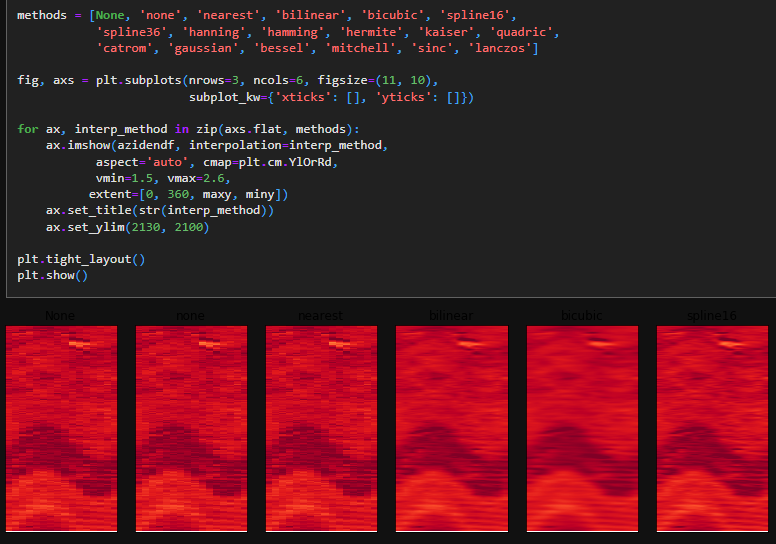
A series of notebooks showing how I load, QC, analyse, and visualise well log and petrophysical data in Python, using real-world messy datasets rather than perfect examples.
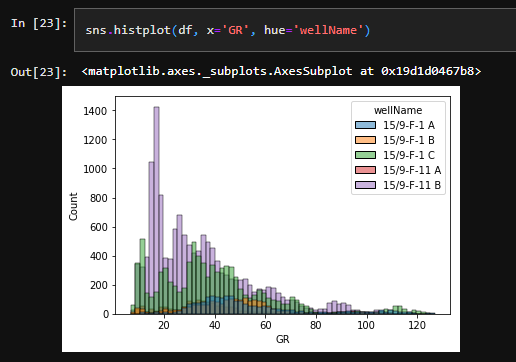
Co-instructor workshop materials covering applied ML workflows for well logs, with emphasis on QA/QC, interpretability, and what breaks when real data gets involved.
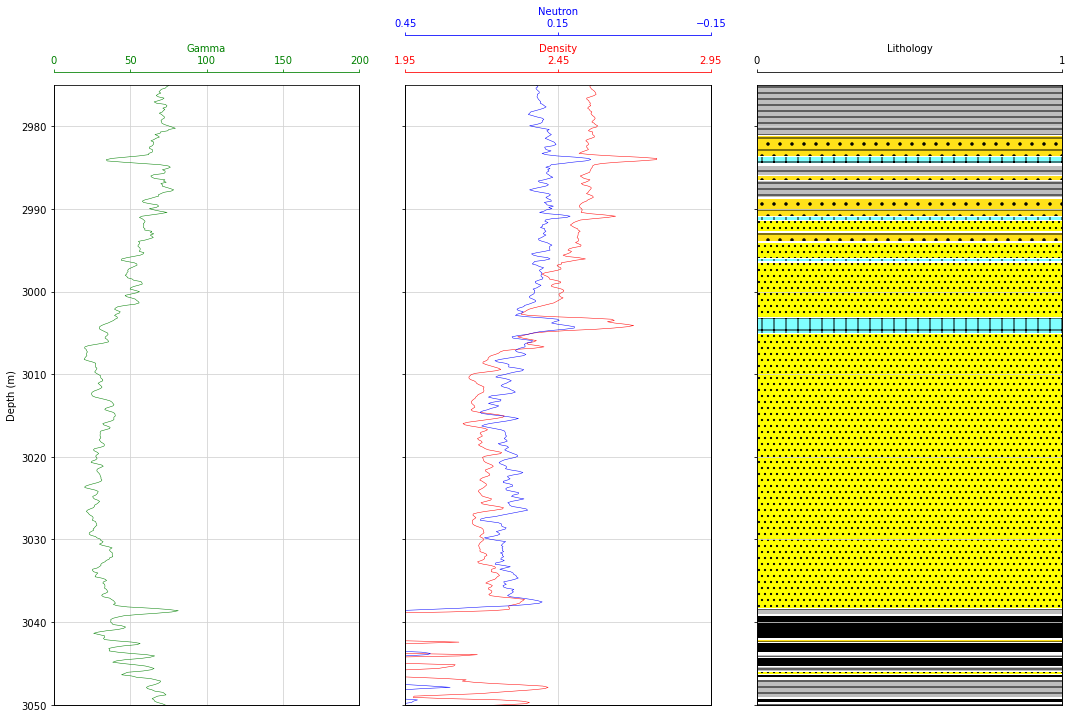
Standardised QC and sand flagging across a large mixed-vintage dataset to produce comparable sand flags for fairway, reservoir, and seal analysis.
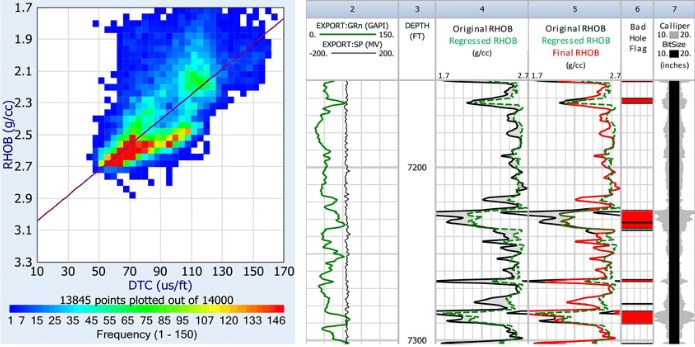
QA/QC, conditioning, and repair of log data to support 1D/3D geomechanical modelling, including synthetic shear where key inputs were missing.
Re-interpreted multiple gas intervals across a compartmentalised field, integrating MDT pressure data to support contact interpretation and bypassed pay assessment within dolomitic intervals.
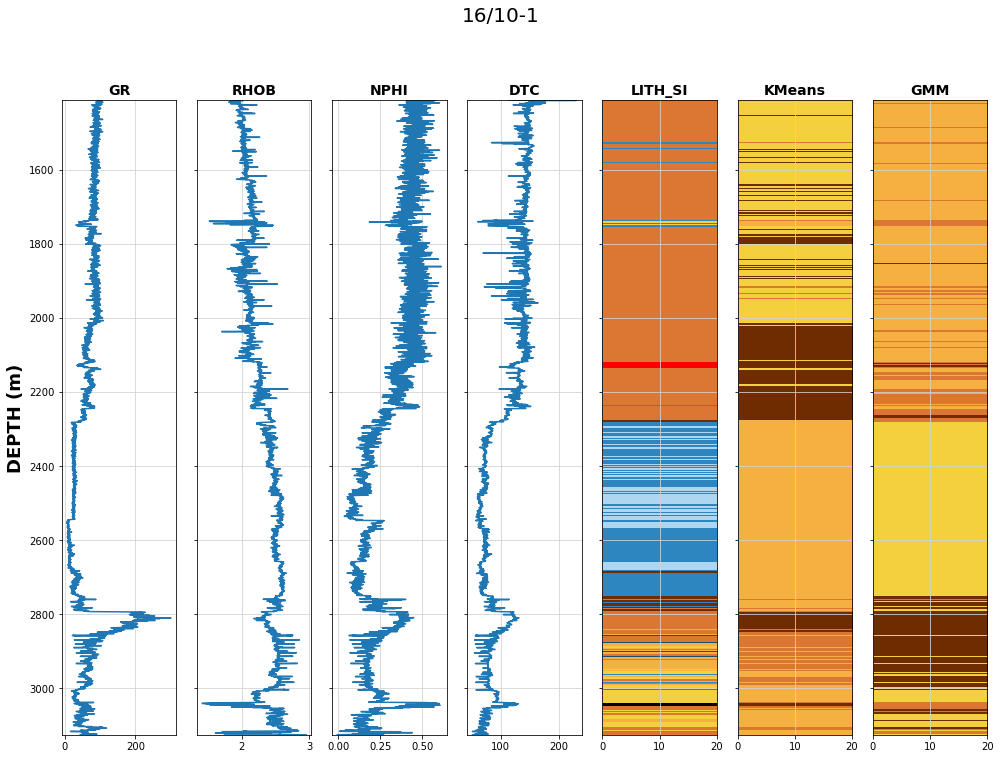
Integrated petrophysics and reservoir rock typing across 23 wells, deriving petrophysical groups from SCAL (MICP) and facies information, then predicting continuous rock types and permeability using self-organising maps.